What to Do When a Broken Key Sticks in Your Ignition
If you have ever turned a key in a frozen lock only to feel it snap, you know the sinking feeling that follows. The car is locked, the key is broken, and the ignition cylinder is left with a piece of metal stuck inside. It is a situation that calls for patience and a clear plan. Getting the broken piece out without causing more damage is the goal, and the right approach depends on how much of the key is visible and what tools you have available.
The first thing to understand is that a broken key in the ignition is often a symptom of a deeper problem. A key that snaps under light pressure usually means the lock cylinder is stiff, possibly from cold weather, lack of lubrication, or wear. Before you try to extract the broken piece, check whether the ignition turns at all. If the key fragment is still flush with the cylinder face, you may be able to use a key extractor tool or a pair of fine tweezers. If the fragment is deeper, you might need a locksmith. In many cases, the fastest and safest route is to call a mobile locksmith who can come to your location and handle the extraction on the spot.
A common mistake is to spray any kind of lubricant or de-icer into the ignition before assessing the situation. While a frozen lock might respond to a commercial de-icer, adding liquid to a cylinder that already has a broken key can push the fragment deeper or make it harder to grip. If the lock is frozen, use a small amount of lock lubricant or a graphite powder specifically designed for locks. Do not use WD-40 or oil-based sprays, as they can attract dirt and gum up the pins over time. For a frozen car lock help is sometimes as simple as warming the key with a lighter or a hand warmer before inserting it, but if the key is already broken, that advice no longer applies.
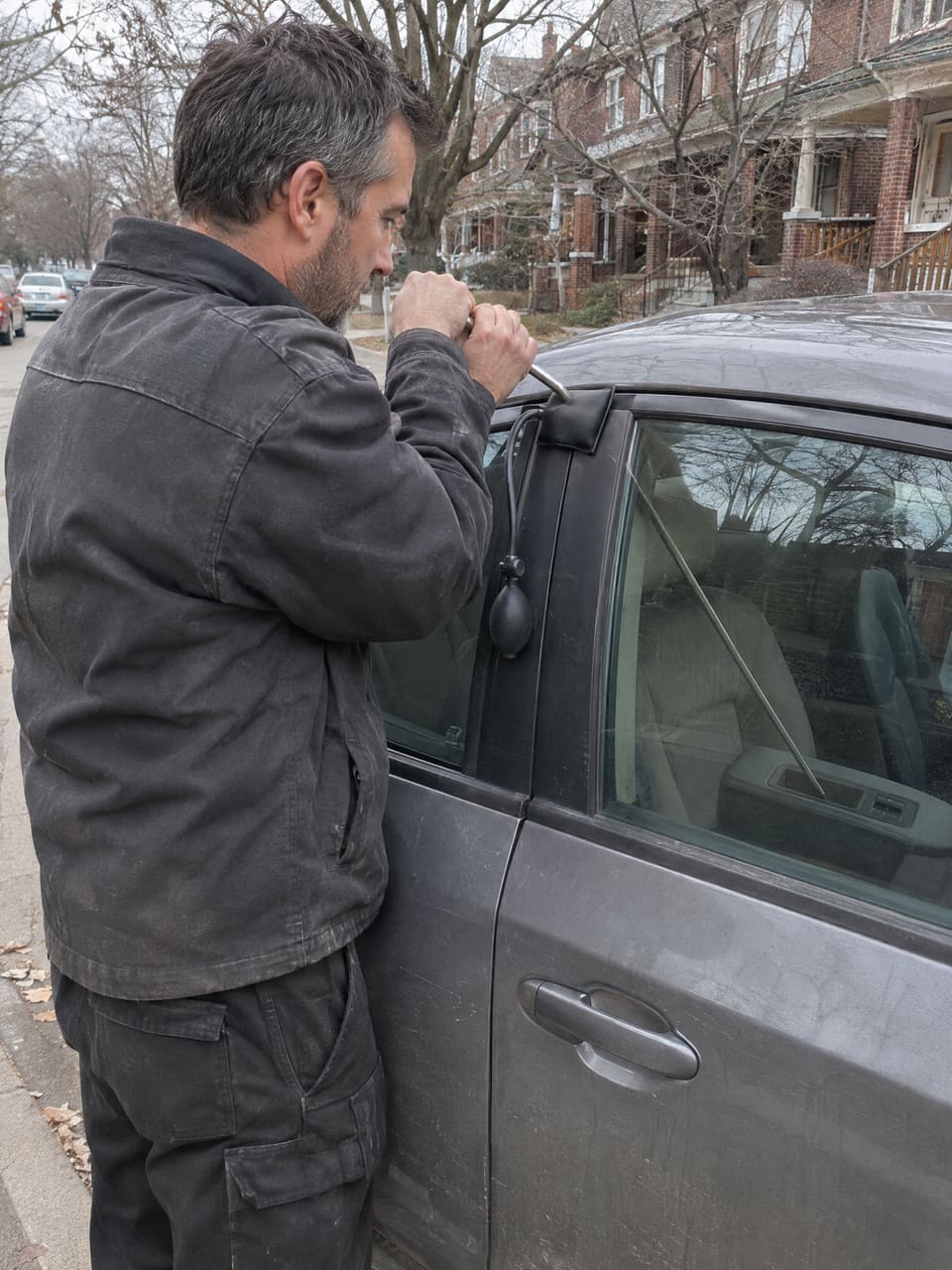
Once you have a broken key in the ignition, the extraction method depends on how much of the key is sticking out. If a quarter-inch or more of the key shaft is visible, you can try gripping it with a pair of needle-nose pliers. Pull straight out, gently, without twisting or rocking the fragment. Twisting can cause the broken end to catch on the pins inside the cylinder, making it harder to remove. If the key is flush with the cylinder face, you may need a small pick or a key extraction tool. These tools have a hook at the end that slides along the side of the key fragment and grabs it from behind. You can buy a set of lock picks or a key extractor at most hardware stores, but using them takes practice. If you are not comfortable working with small tools inside a lock, it is better to call a professional.
Another method that sometimes works is to use a thin piece of metal, such as a jigsaw blade or a feeler gauge, to push the broken key out from the opposite side of the cylinder. This only works if the key fragment is not too deep and if you can access the back of the ignition cylinder. In many modern cars, the ignition is surrounded by a plastic collar that makes this approach difficult. Attempting to force the fragment out by jamming a screwdriver into the cylinder is almost always a bad idea. It can damage the pins, break the cylinder housing, or even cause the ignition to seize completely. If you cannot get the fragment out with gentle, simple tools, stop and call a locksmith.
When you call a locksmith, describe exactly what happened. Let them know whether the key broke off flush, whether the ignition was frozen, and whether you have tried any lubricant. A good mobile locksmith will bring a set of key extractors, a broken key removal kit, and possibly a replacement cylinder if the original is too damaged. They will also be able to open the car door if you are locked out at the same time. In Toronto, for example, a service like Locked Keys in Car Toronto can send a technician to your location who specializes in non-destructive entry and lock repairs. They see broken keys frequently and know how to handle them without damaging the ignition or the steering column.
The phrase "Locked Keys in Car Toronto" is a reminder that many drivers face this exact problem in the winter months. Cold temperatures can make the metal contract, the lock lubricant thicken, and the door seals stiffen, all of which increase the chance of a key breaking. If you are dealing with a frozen lock, the best prevention is to use a lock lubricant that is rated for cold weather, and to avoid forcing the key if it does not turn easily. A gentle wiggle while pulling the key back slightly can help align the pins without putting too much torque on the key. If the key still will not turn, heat the key with a hand warmer or a blow dryer on a low setting before inserting it. Never use an open flame near a lock, and never pour hot water onto a frozen lock, as the water can refreeze and make things worse.
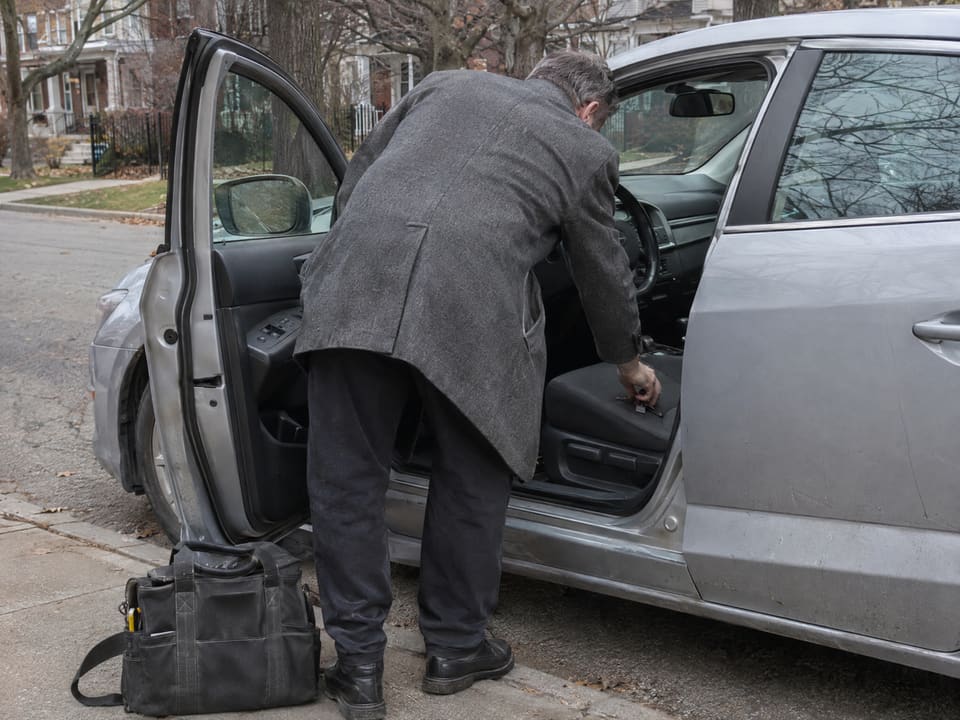
Once the broken key is removed, you will need to decide whether to keep using the same ignition cylinder. If the cylinder was already stiff or the key broke because of wear, the cylinder may need to be replaced. A locksmith can rekey the new cylinder to match your existing keys so you do not have to carry a separate key for the ignition. In some cars, the ignition cylinder is part of a larger security system that includes the steering wheel lock and the key fob. Replacing it might require reprogramming the fob or the vehicle's computer. A professional locksmith can advise you on the best course of action for your specific make and model.
If the key broke because the lock was frozen, simply thawing the cylinder may allow you to remove the fragment more easily. You can use a commercial de-icer or a small amount of isopropyl alcohol, which evaporates quickly and does not leave residue. Spray the de-icer into the keyway, wait a minute, and then try the extraction method again. Do not use a torch or a heat gun, as high heat can damage the plastic parts around the ignition. If you are in a hurry and the fragment is not too deep, you can also try tapping the cylinder gently with a small hammer or the handle of a screwdriver. The vibration can sometimes loosen the fragment enough to pull it out with pliers.
In the end, the safest and most reliable solution for a broken key in the ignition is to call a locksmith. The cost of a service call is much less than the cost of replacing a damaged ignition cylinder or steering column. A professional will have the right tools and experience to get the key out without causing additional damage. They can also check the lock for wear and recommend whether it needs to be replaced. If you are stuck on the side of the road, a mobile locksmith can meet you wherever you are, which is especially helpful in cold weather when waiting for a tow truck is not ideal.

Remember, the key to handling a broken key is to stay calm and avoid force. Forcing a broken key deeper into the cylinder can turn a simple extraction into a full ignition replacement. If you are not sure what to do, stop and get help. In many cases, a locksmith can have you back on the road in under an hour. If you are in Toronto and need a reliable service, keep the name "Locked Keys in Car Toronto" in mind. They understand the local climate and the common lock problems that come with it, and they can provide the frozen car lock help you need without making the problem worse.